 Please verify your age
You must be over 18 years or older to view our website
Sorry you are not old enough to enter this site.
Gawith Hoggarth Twist Production
The Gawith family have been producing Twist tobacco since the late 1700’s, originally as a chewing tobacco and then also as a pipe tobacco. Twist is the original ‘Gawith’ tobacco and really how the company of Gawith Hoggarth & Co started after Samuel Gawith (II) opted to go his own way and concentrate on the snuff side and John E Gawith carried on with the twist production, thus creating the two tobacco firms in Kendal.
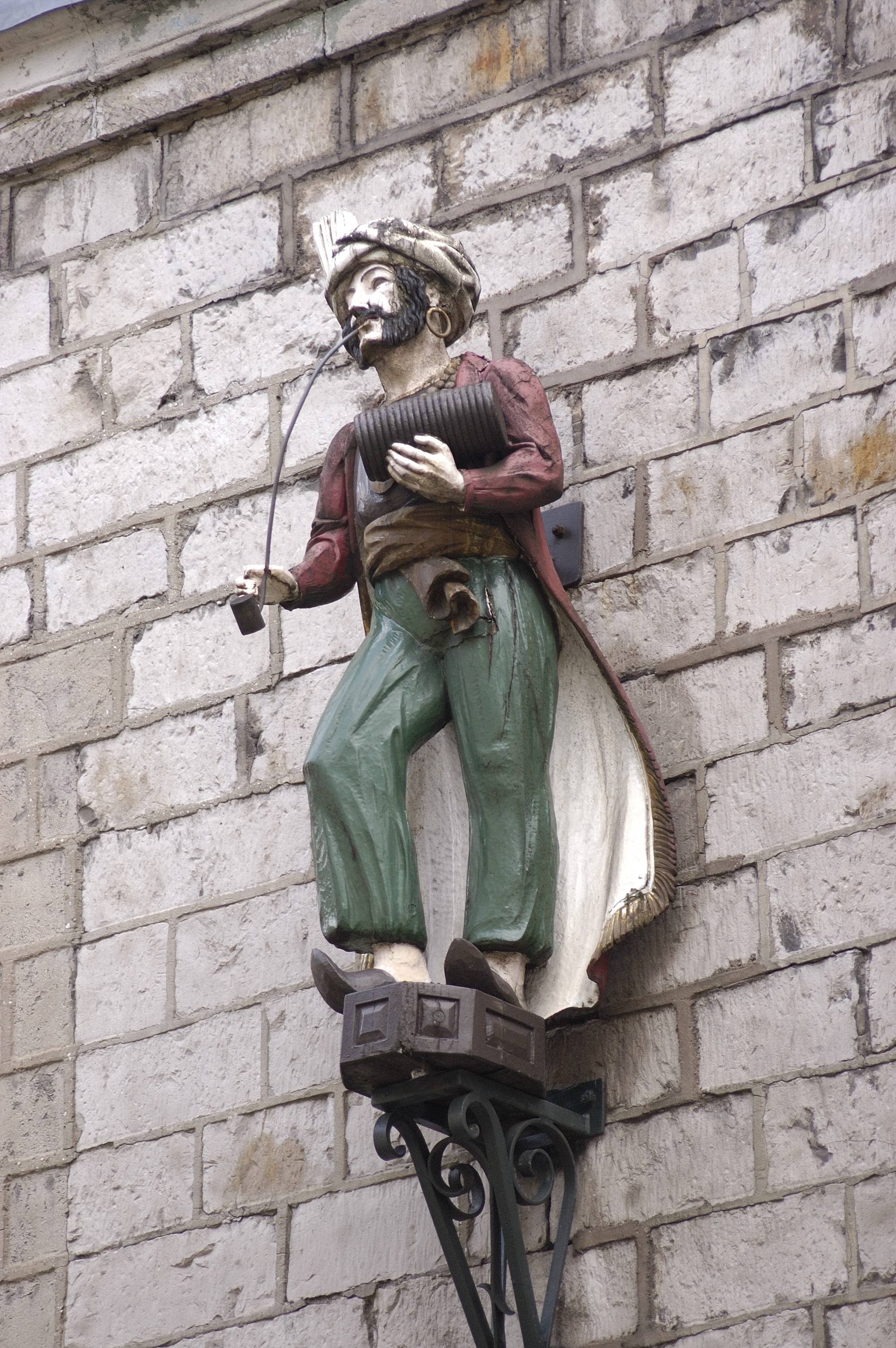
It was during this period in the 1870’s that the life size figure of the ‘Turk’ was carved and placed over the entrance to the Lowther Street factory. This was a traditional trade sign of tobacco and snuff blenders. The Kendal Turk was brightly painted with a red coat, green trousers and holding a long pipe in one hand and a roll of twist in the other. The Turk has therefore become the emblem of Gawith Hoggarth and their famous twist tobacco.
Twist was once one of the most common forms of tobacco and consumers would cut off as much tobacco as they needed to either smoke in their pipe or chew.
The Twist is formed by spinning the tobacco leaves into a rope and in the past, the ropes would then be soaked in alcohol, often rum, to keep the tobacco moist during transit across the oceans. Twist tobacco was often chewed during these journeys as smoking on a wooden ship was not a sensible idea.
In the UK, Twist was particularly popular amongst miners. Unable to smoke down the mines, due to obvious fire risks, miners would instead chew 'twist' tobacco. Chewing tobacco also prevented the miners mouths from drying out from breathing in the dusty air of the mine. From the 1950’s hundreds of collieries were closed across the UK and few remain today.
Twist has once again gained popularity as a strong pipe tobacco.
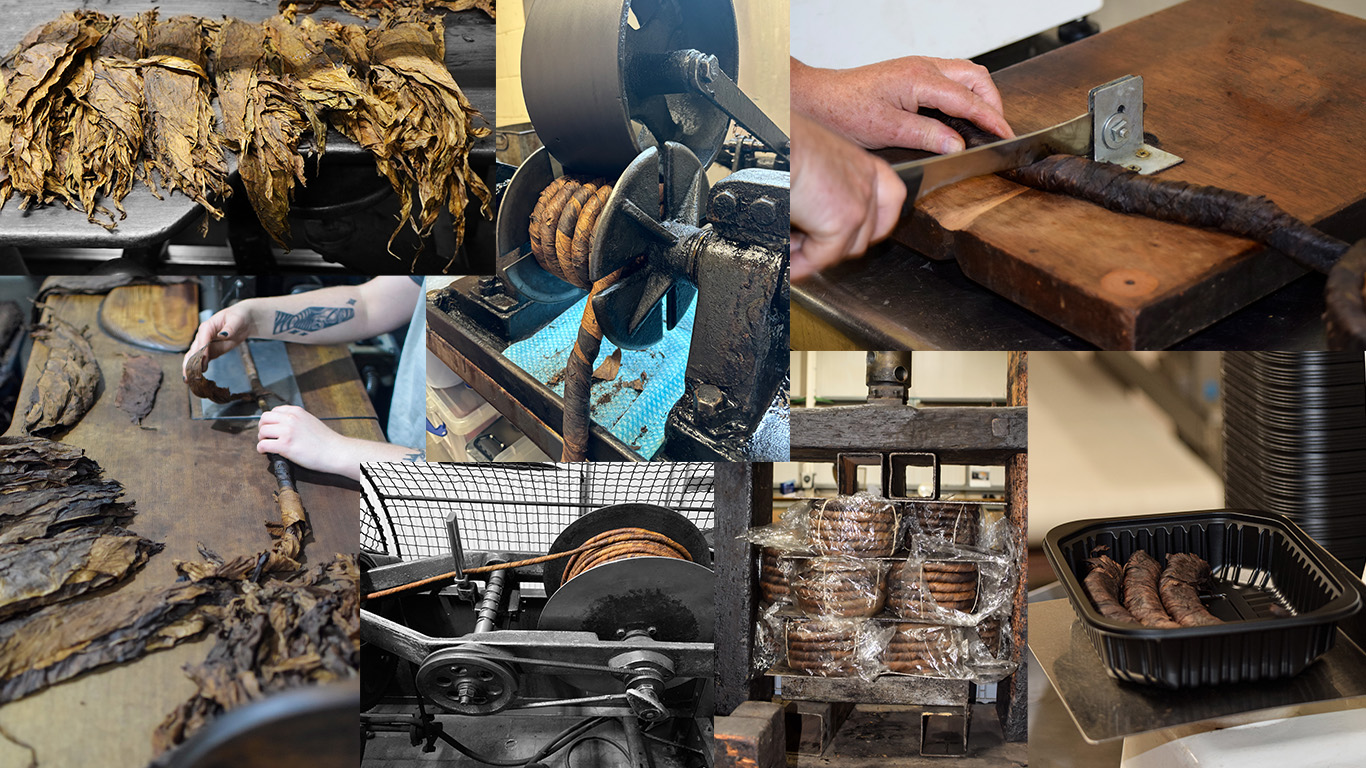
The tobacco leaf used in Twist is specially selected, each leaf opened and shaped by hand. The leaf is then spun with filler leaf inside and an outer wrapper leaf, using a spinning machine which guides it onto a large wheel and requires two people to operate, while a third prepares the leaf.
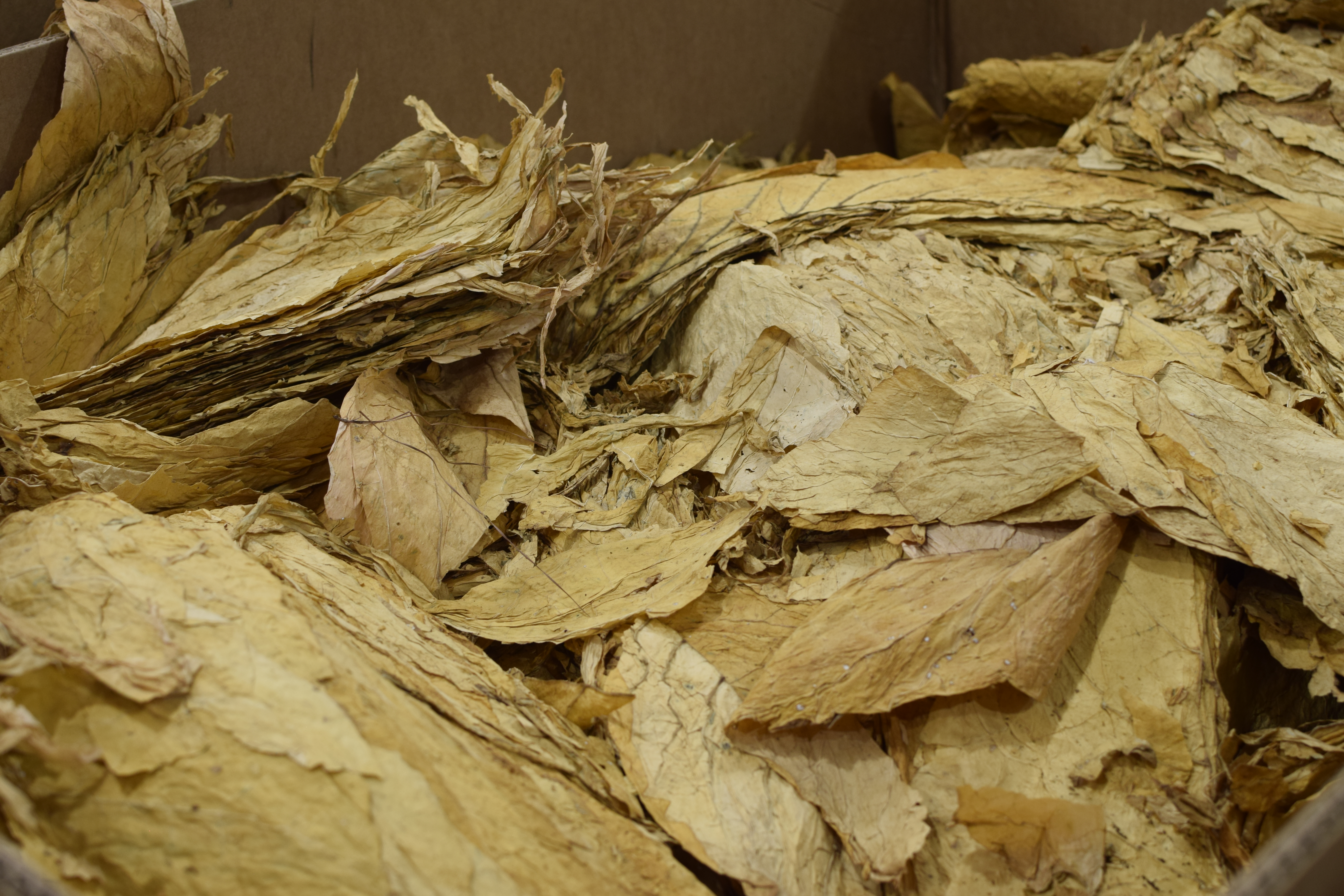
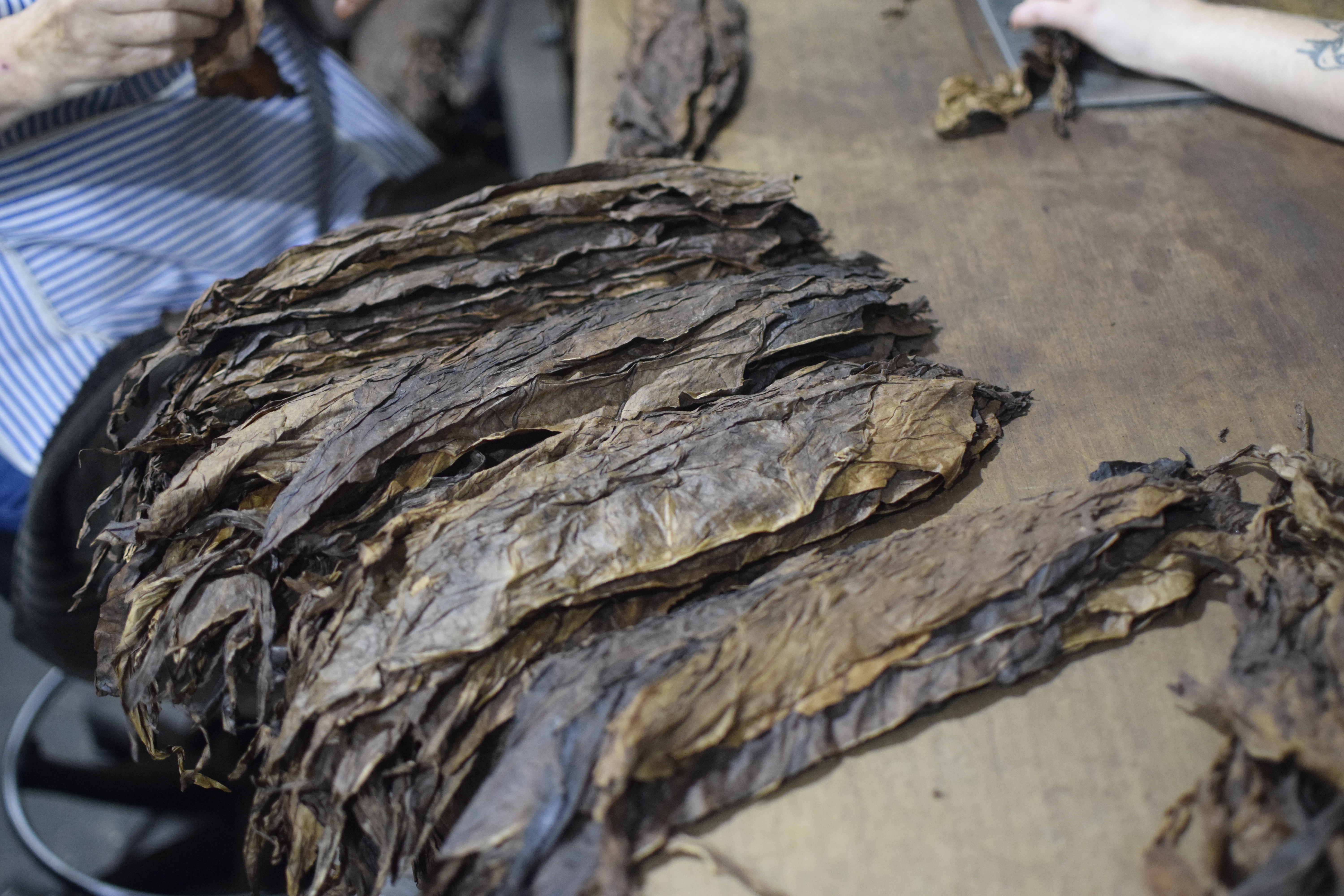
Originally the twist was spun entirely by hand with women laying the leaves out at one end of the table, ready for the spinner to take these and begin feeding them into the wheel to form a tight core, from where the constantly turning wheel, produces a long rope of twist the length of the table. This was then wound into a coil.
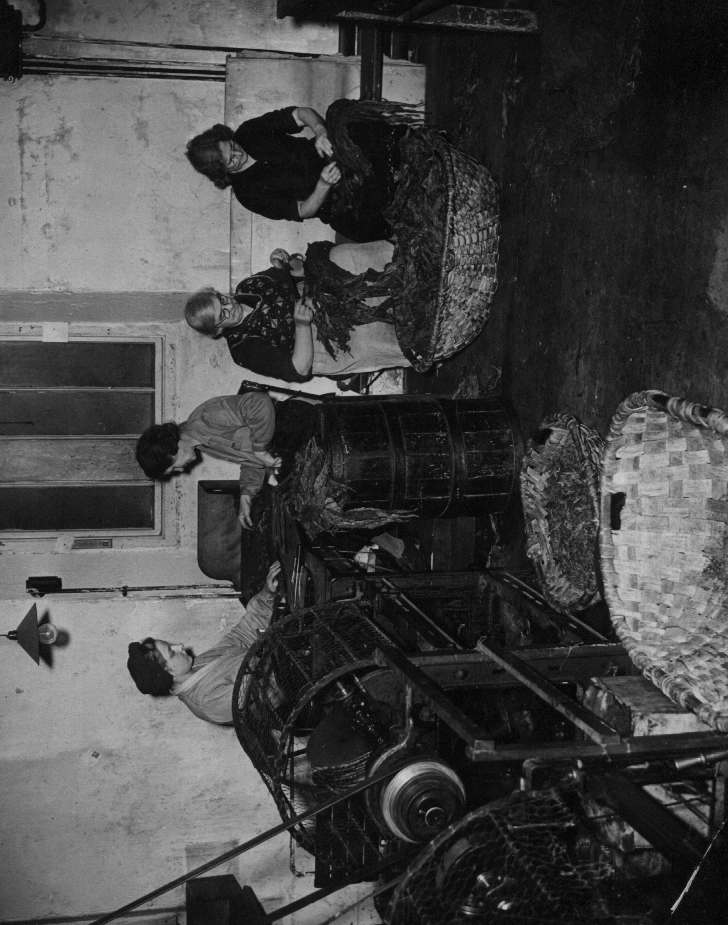
Later came the steam-powered spinning machine, which was much more simple and quicker to use; the spinner simply having to regulate the size of the twist, whilst the machine created the rope. Mechanised spinning machines were introduced in 1928 and then in 1977, the company purchased three new spinning machines to keep up with demand.
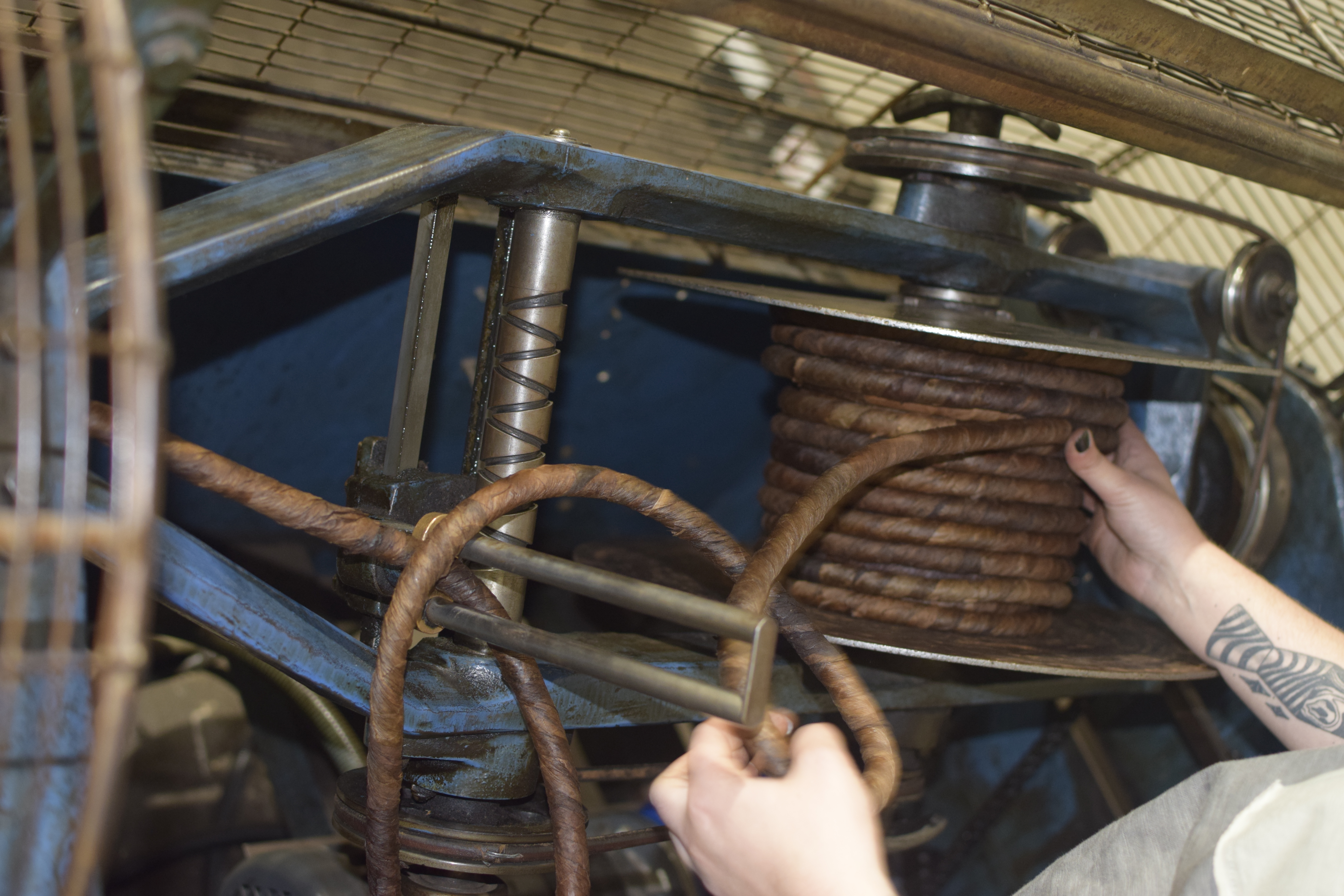
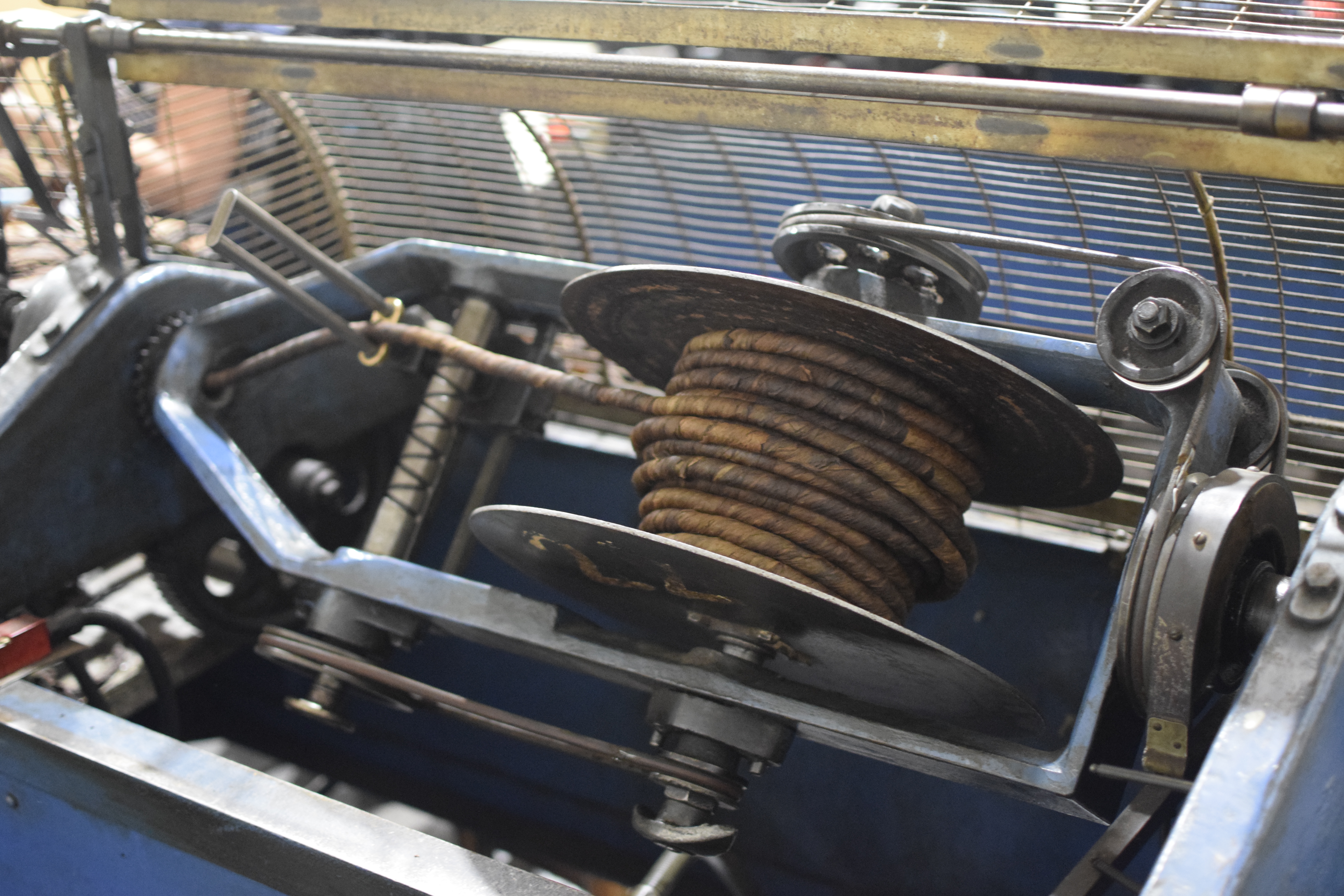
Once complete, the wheel is removed and rolled around a cord to form smaller reels. These are either plain or scented, or oiled to be pressed and cooked. In the old Lowther Street factory the twists were cooked under pressure using massive old metal steam presses, powered by a gas boiler. Huge old wooden presses around from the time the company started, would then be used to hold the twist for weeks under pressure. These are still used today.
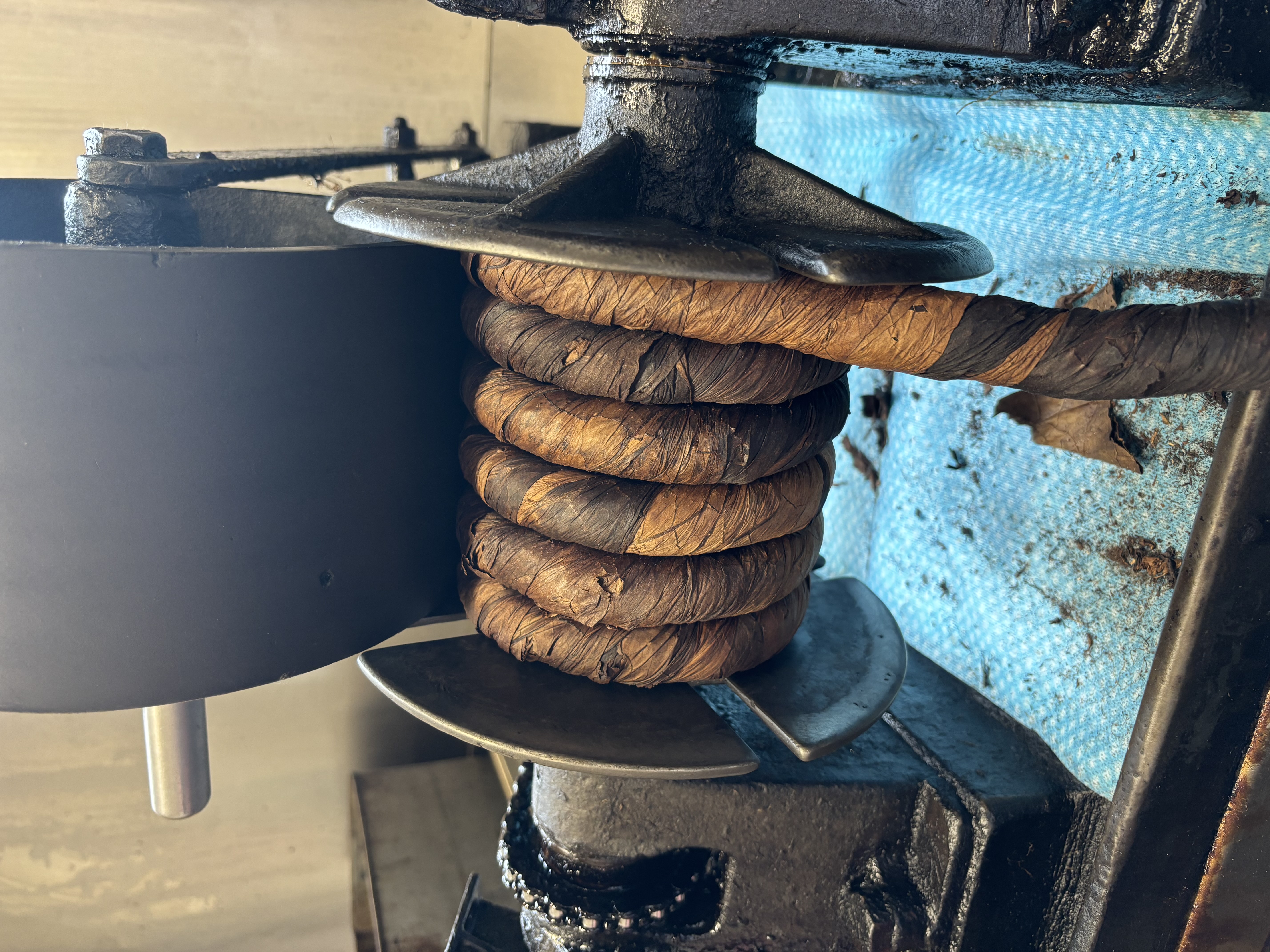
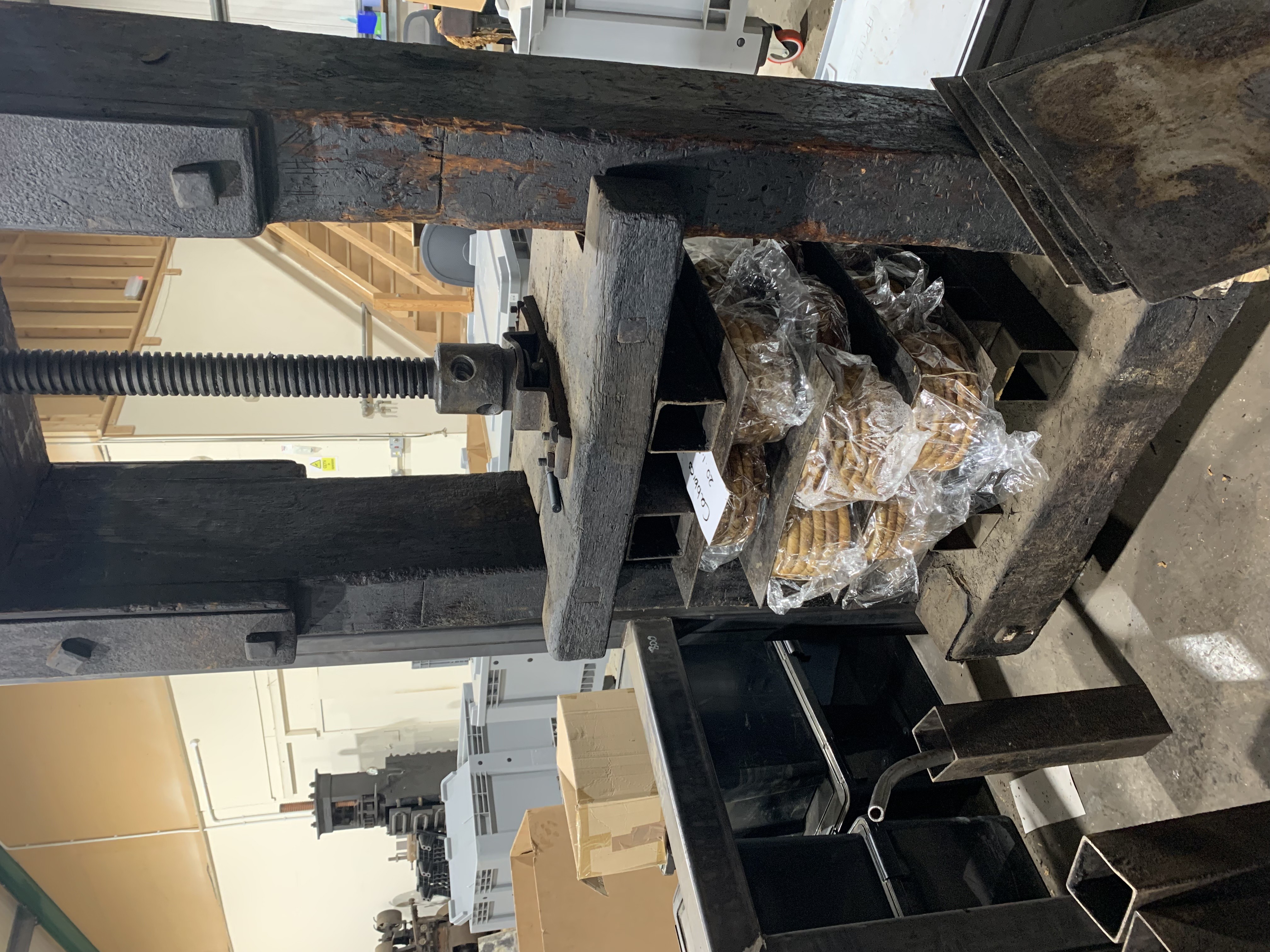
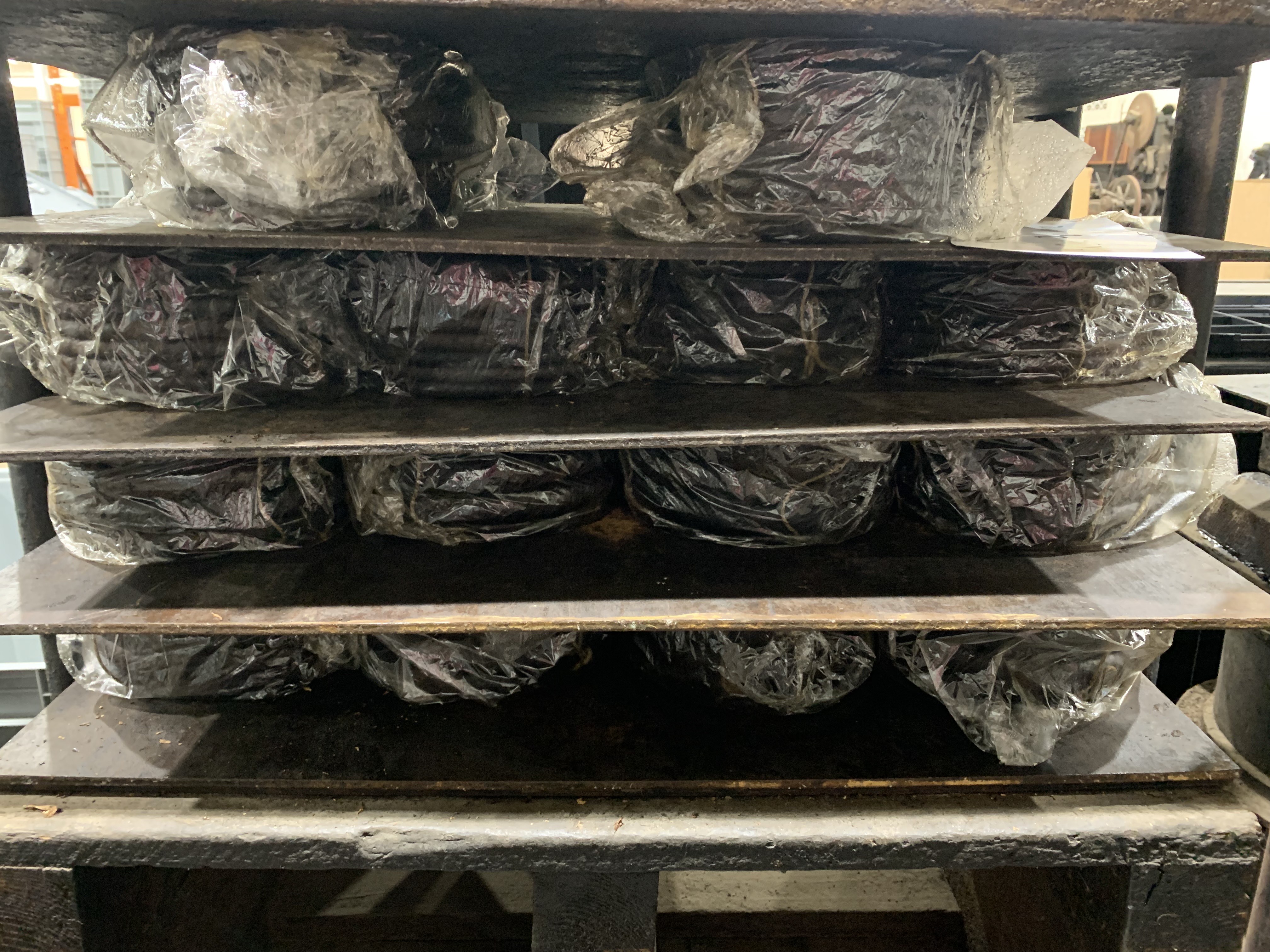
Gawith Hoggarth & Co still use the same Twist spinning machines that were used at the old Lowther Street factory. The processes used today are the same traditional spinning techniques used for hundreds of years and the skills have been passed down through staff members that have worked for Gawiths for 20 or more years, training up new generations of Twist spinners.
Brown twist is ready for pressing as soon as it comes off the spinning table, whilst Black twist is placed on a wheel, lathered with vegetable oil (now rapeseed oil) and then cooked. Originally bound with cloth and cord to keep the coil in place, it was put into massive metal steam run hot plate presses and cooked before being transferred to the huge wooden cold presses for several days. Now the process uses electric instead of steam but is essentially the same.