 Please verify your age
You must be over 18 years or older to view our website
Sorry you are not old enough to enter this site.
Raw Leaf Prices & Geo-Political Pressures
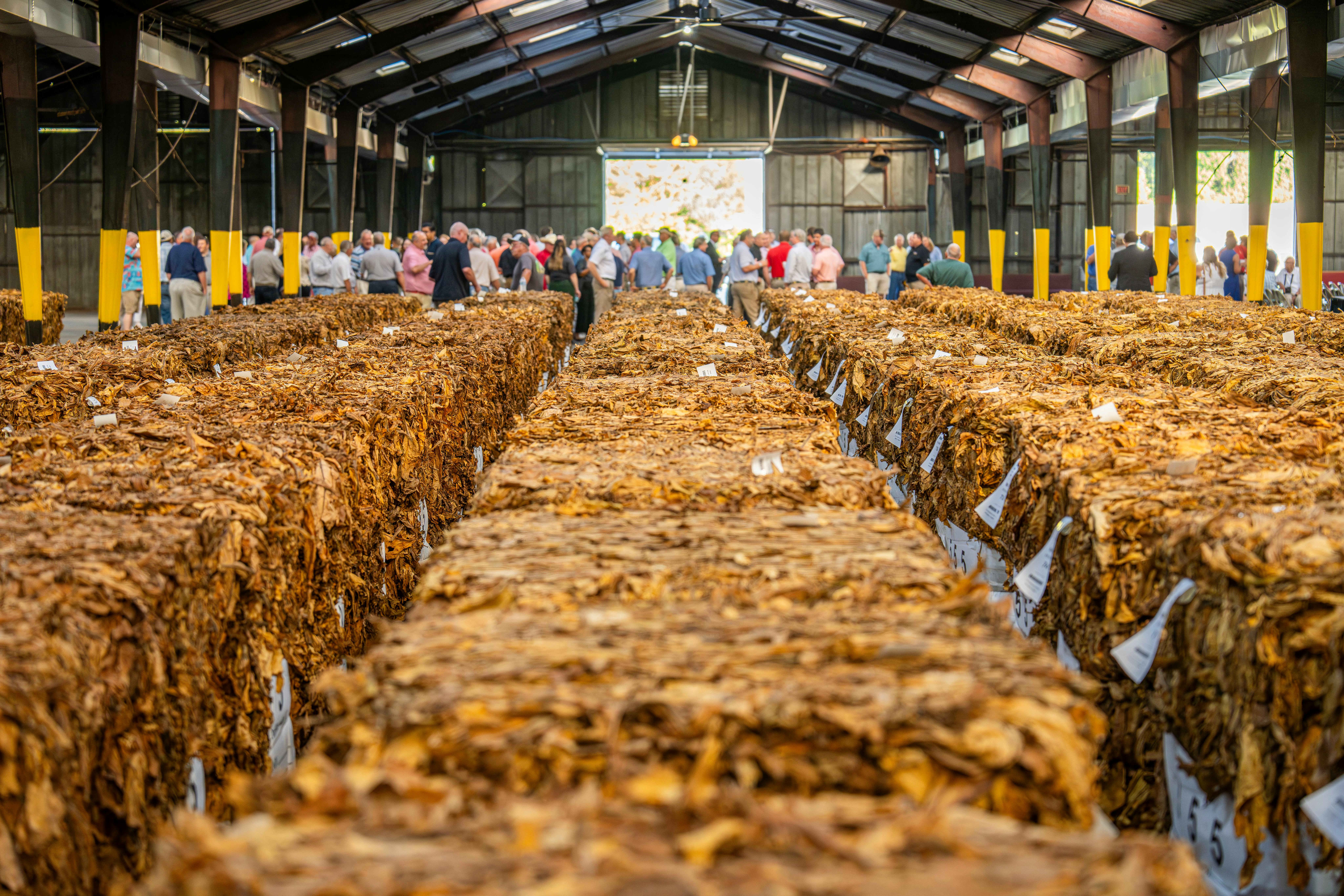
Like most commodities tobacco leaf prices vary according to supply and demand, however the last few years have had some unprecedented fluctuations based on geopolitics and weather.
The general world supply and price of raw tobacco leaf is managed by large key players and local governments through controlling levels of production and pricing.
Tobacco leaf prices are determined by open-floor auctions and contract farming but contract farming has become the dominant production model in many tobacco-producing regions, often accounting for 70 to 80% of total crop production in major exporting countries. The major cigarette manufacturers and their affiliated leaf-buying merchants hold significant power in setting the price for raw tobacco leaf.
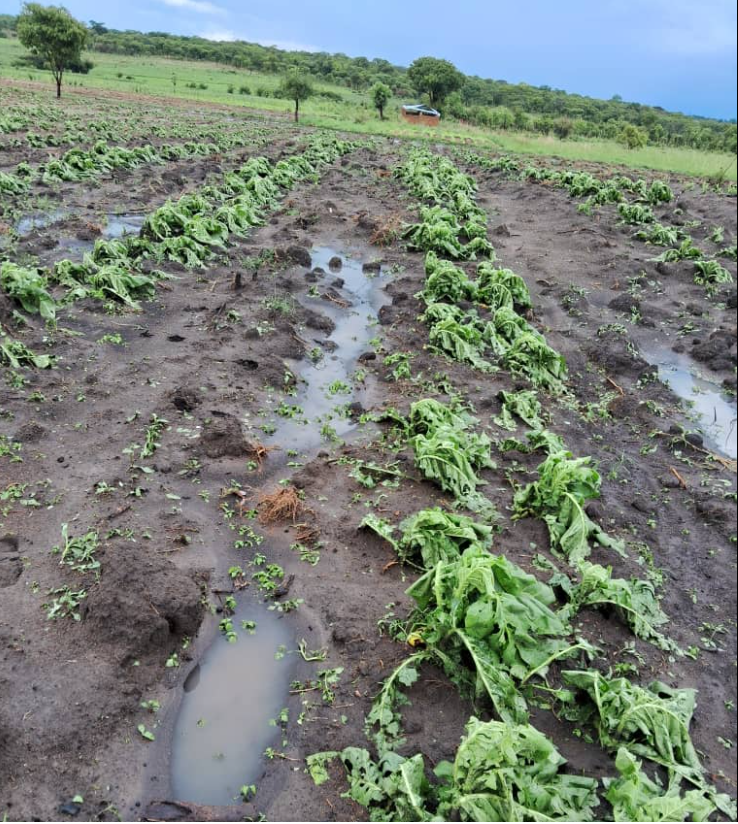
The last 5 or 6 years have seen a huge amount of volatility in the market, punctuated by various geopolitical pressures, regional conflicts and environmental factors – the COVID19 Pandemic, drought and irregular rainfall, extreme weather such as flooding and storms, soil degradation from monocultures (only growing tobacco) led to decreased yields, then the Russian invasion of Ukraine, US Tariffs under the Trump administration and now the USA/Israel conflict with Iran, affecting the Middle East.
This meant that from around 2019 onwards, there was a lack of adequate supply of raw tobacco leaf for the market, yet global cigarette manufacture increased. There was an un-anticipated global demand for cigarettes, in a market often thought as declining. The multi-nationals (outside of China who have their own tobacco monopoly) dominate this field – Philip Morris, British American Tobacco, Japan Tobacco and Imperial who between them ensured a steady manufacture of cigarettes, while producers around the rest of the world saw a slight increase.
The average price of leaf increased sharply. Multi-nationals demand was likely satisfied at the expense of other manufacturers, calling on their leaf reserves so as not to have to pay the exorbitant prices, while others had no choice.
Throw into this the Ukraine/Russian war.
Immediately following the start of hostilities and sanctions against Russia, all 4 of the top tobacco companies initially pledged to pull out of the Russian Market. Imperial sold its Russian business to a local investor in 2022 and BAT sold its Russian and Belarusian businesses to local management in September 2023. But despite words to the opposite, Philip Morris and Japan Tobacco continue to operate in Russia, holding significant market share, paying taxes and thus potentially sponsoring hostility against Ukraine.
Usually the market tends to decide and dictate which countries either increase or decrease production to keep crop sizes and supply volumes in line with demand and with responsible price adjustments to avoid massive fluctuations.
However, India did not follow this and produced far more in the last few years to fulfill demand in Russia. India's tobacco industry gained from the Ukraine-Russia war through increased export demand, rising to become the world's second-largest tobacco exporter. The conflict disrupted global supply chains, allowing India to fill gaps in the Russian market and benefit from higher international prices, with exports reaching record revenues. Raw tobacco supplies from India to Russia surged. As western sanctions hit, India stepped in to fill the supply gap. Indian farmers received record-breaking prices for tobacco . This distorted the market for prices and supply.
Over-supply creates a ‘grey-market’ and again leads to less regulation and stability for price.
Then 2025 saw a huge amount of global instability leading to volatility in leaf prices. The US tariffs and trade wars had a direct impact on stability of the raw leaf market.
Port fees imposed by the USA on Chinese vessels mean that many shipping companies are looking to re-organise their fleets and move ships associated with China away from trade to and from the USA. This could have a huge knock on effect.
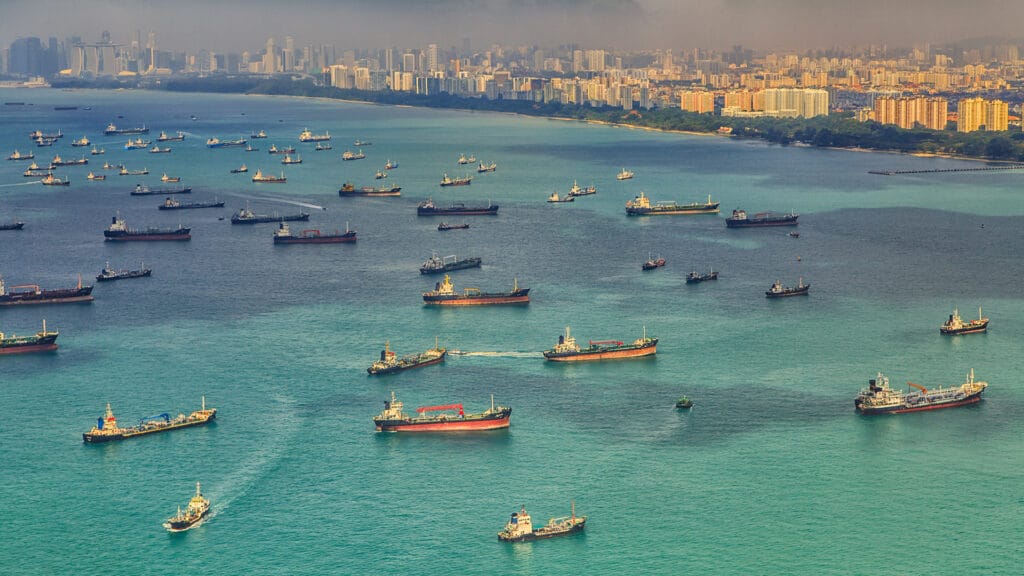
On top of all this there is massive global port congestion, especially in North Asia around Shanghai. This has meant that lead times for shipments has increased anywhere from an additional 28 days to 60 days.
Further, many farmers in various countries, face competition for land from other crops – maize, sugar cane, bananas, lemons etc as well as lack of sufficient labour, all leading to increased costs.
Supply was just starting to even out to match demand across most varieties of tobacco leaf when the USA/Israeli led conflict in the Middle East kicked off.
The closure of the Strait of Hormuz, poses a significant threat to tobacco growers in Africa, primarily through increased production costs, disrupted supply chains, and reduced profitability. African agriculture, particularly in tobacco-producing nations, relies heavily on imported fertiliser that pass through this maritime chokepoint. Fertiliser shipments through the Strait fell by 92% during March.
As fertiliser becomes more scarce and far more expensive, small-scale farmers—who dominate tobacco production in countries like Zimbabwe—face higher costs and lower incomes. All at the same time as trying to battle existing challenges such as drought.
The global tobacco market, valued at over USD 900 billion in 2025 and projected to grow, is increasingly intertwined with geopolitical tensions.