
 Please verify your age
You must be over 18 years or older to view our website
Sorry you are not old enough to enter this site.
Factory Move
Gawith’s operated out of the old factory on Lowther Street from around 1830 when it was both family home, factory and dispensary for tobacco.
In 1993 the company moved to premises on the other side of Kendal into what had been the old dairy. This was a massive move at the time and enabled new tobacco processing machinery to be bought second hand from BAT and installed in the new building.
This machinery is still what we use today, along with old presses and twist machines that came from the original factory.
It was back in around 2020 when the idea was first mooted to move premises again. The building we were in had become dilapidated, there were leaks in the roof, it was made up of several smaller units joined together and so the layout was not ideal and we needed more space for a Track and Trace department and to expand production.
We spent two years searching for and viewing various warehouses and sites around the Kendal and wider area but nothing ticked enough boxes. Then in late 2022 we found a large unit just up the road from the other factory with a separate office block. And then a few months later we found another warehouse that would house the UK distribution centre.
However, before any move could even be contemplated, the new premises had to first be inspected and approved by HMRC, we had to have long winded and never ending discussions with our insurers over security aspects and various building work had to be carried out. This all took at least 18 months.
Only then could we look to start planning the physical move of machinery and stock.
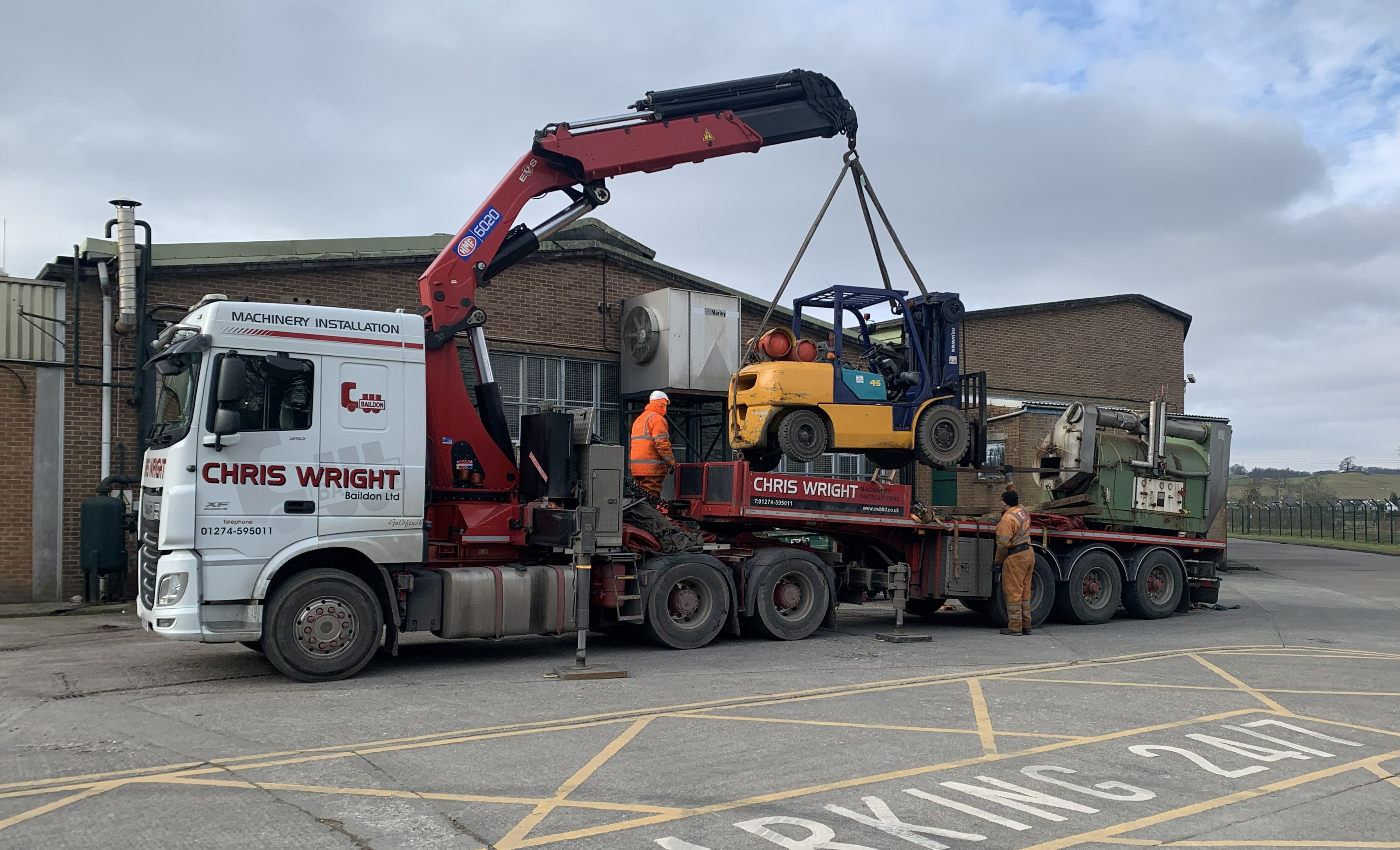
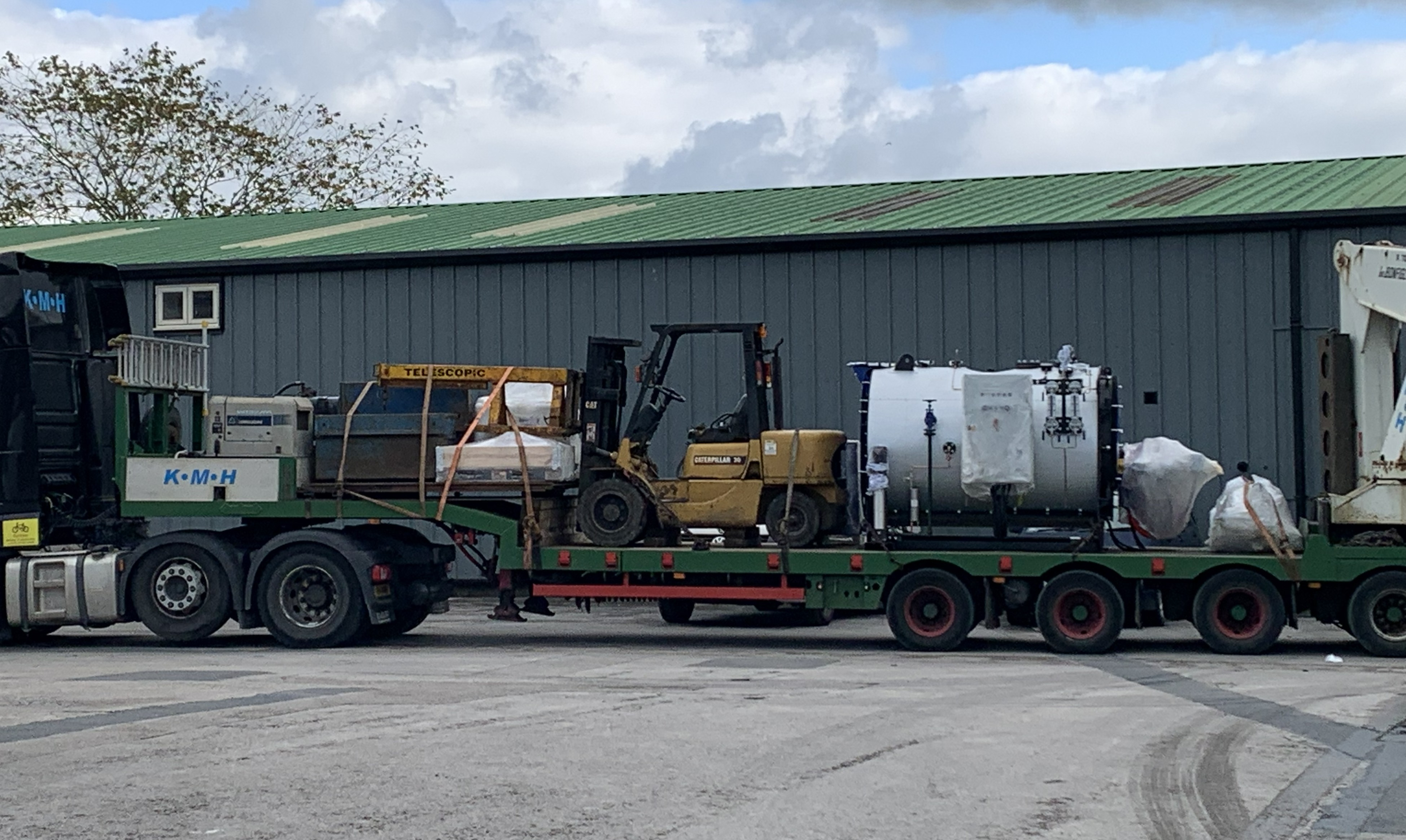
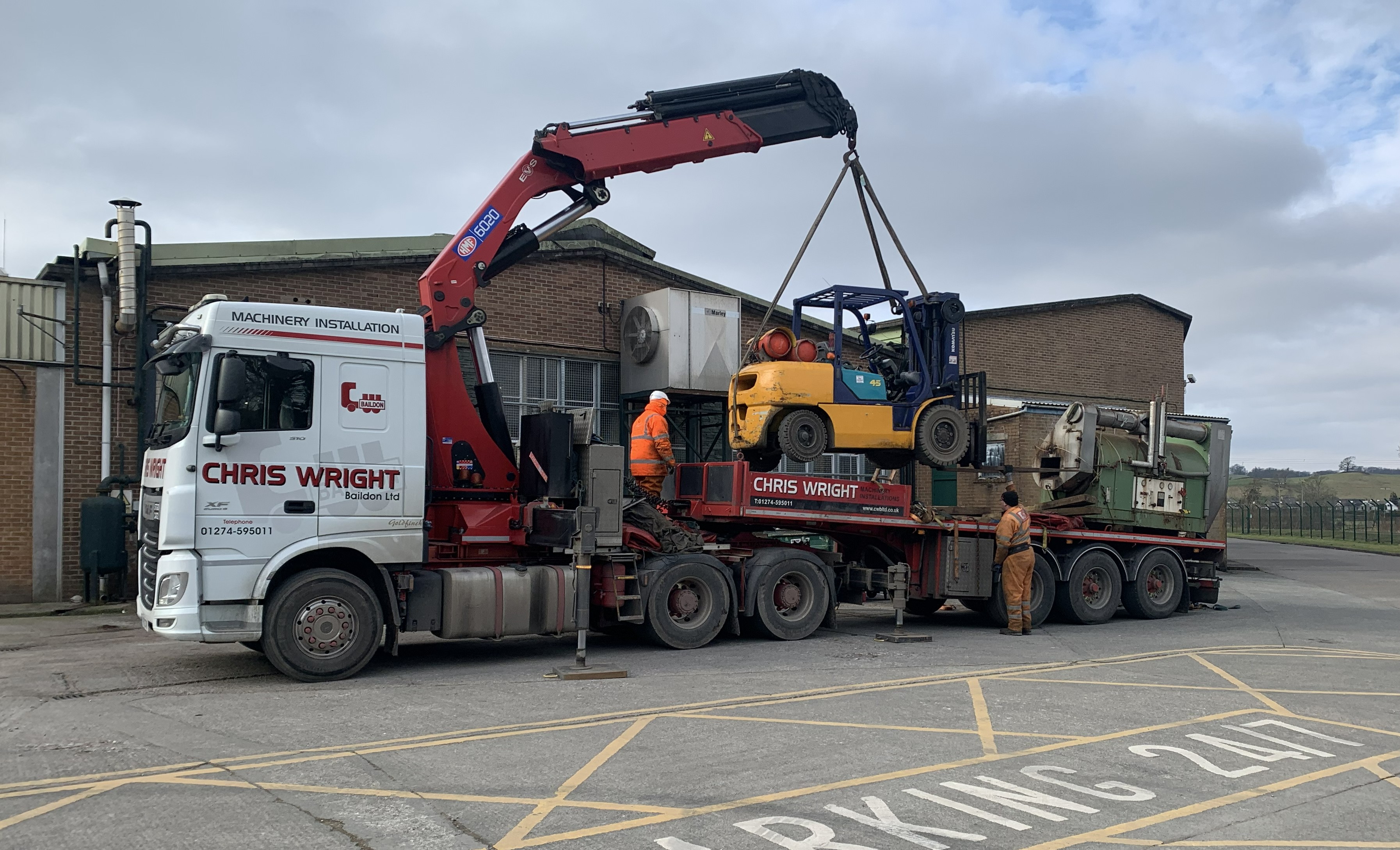
But you cannot simply just move tobacco machinery in the UK. It has to be moved under license, approved by HMRC. Similarly with raw leaf stock. All finished stock has to be moved under duty suspended stock, unless duty paid – again a lot of paperwork to be completed and filed. Lorries had to be hired, forklifts hired and moved.
Various pieces of equipment were nearing the end of their life span or would simply not have survived the move and so we had to source and buy new.
Other machinery was in need of an overhaul and repairs. The conditioning cylinder was sent away for a complete re-fit and so to ensure that this was ready for the move and could be returned directly to the new unit, this went first and meant that for several months, all steaming had to be done on the small flat bed steamer by hand.
The whole move had to be carefully planned and instigated to ensure that production could carry on in the old premises as long as possible, before we shut down for a few weeks to get the machinery back up and running in the new factory. We made as much as we could, packed as much as we could and slowly moved each department over.
The Track and Trace department moved first, then packing and then finally production. And everyone mucked in. We moved much of the machinery ourselves by van and trailer, other pieces were moved by contractors.
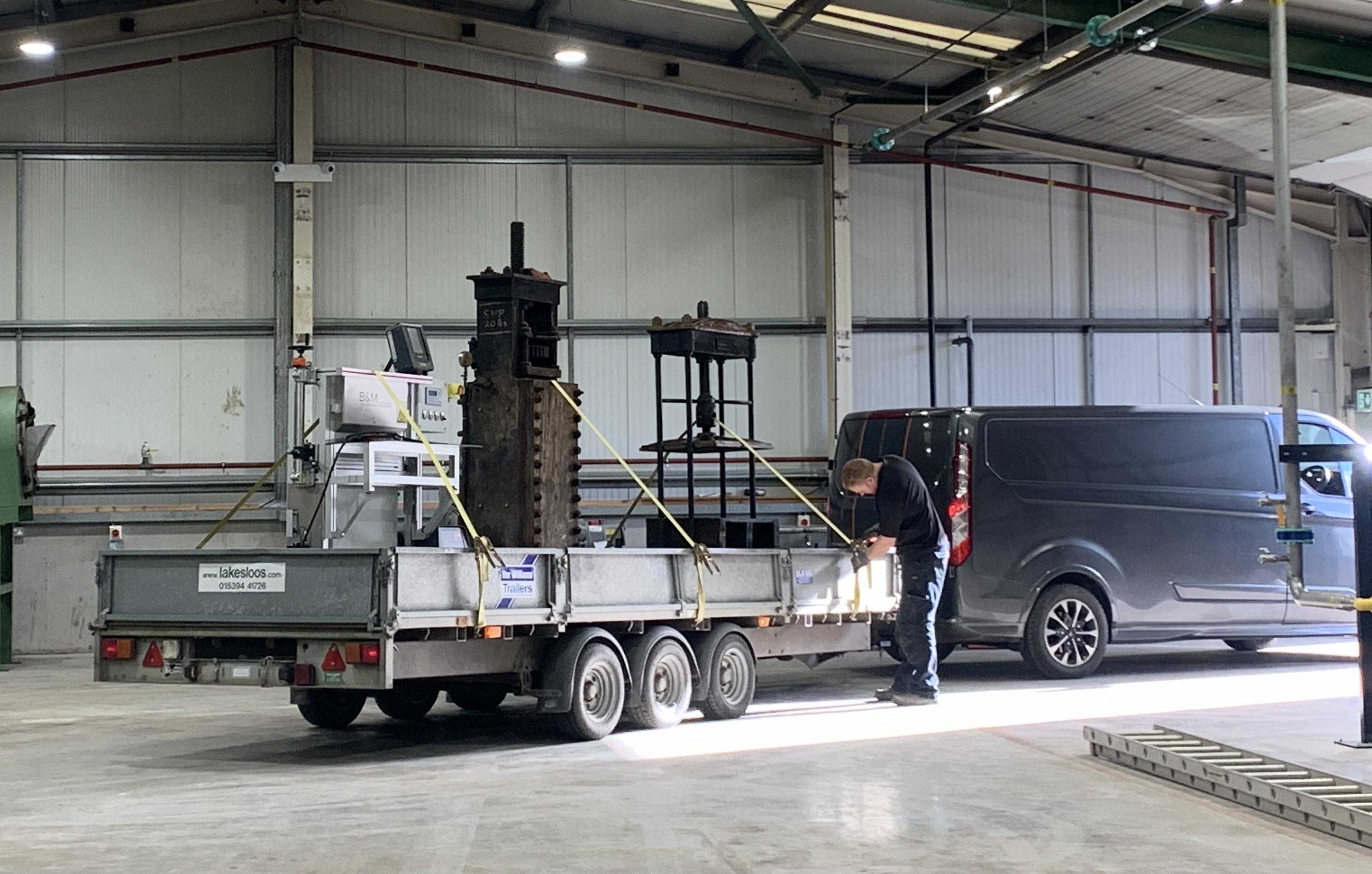
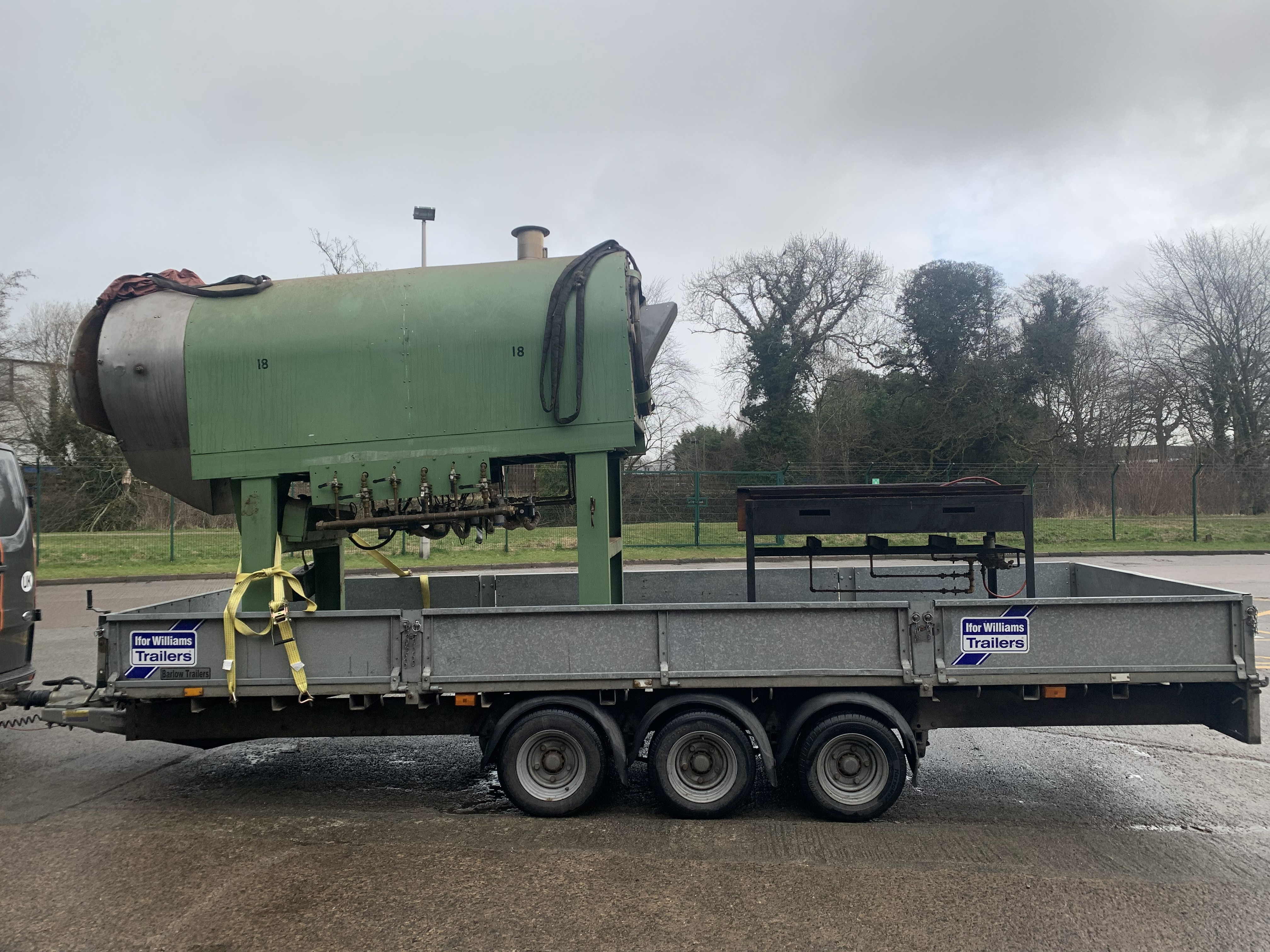
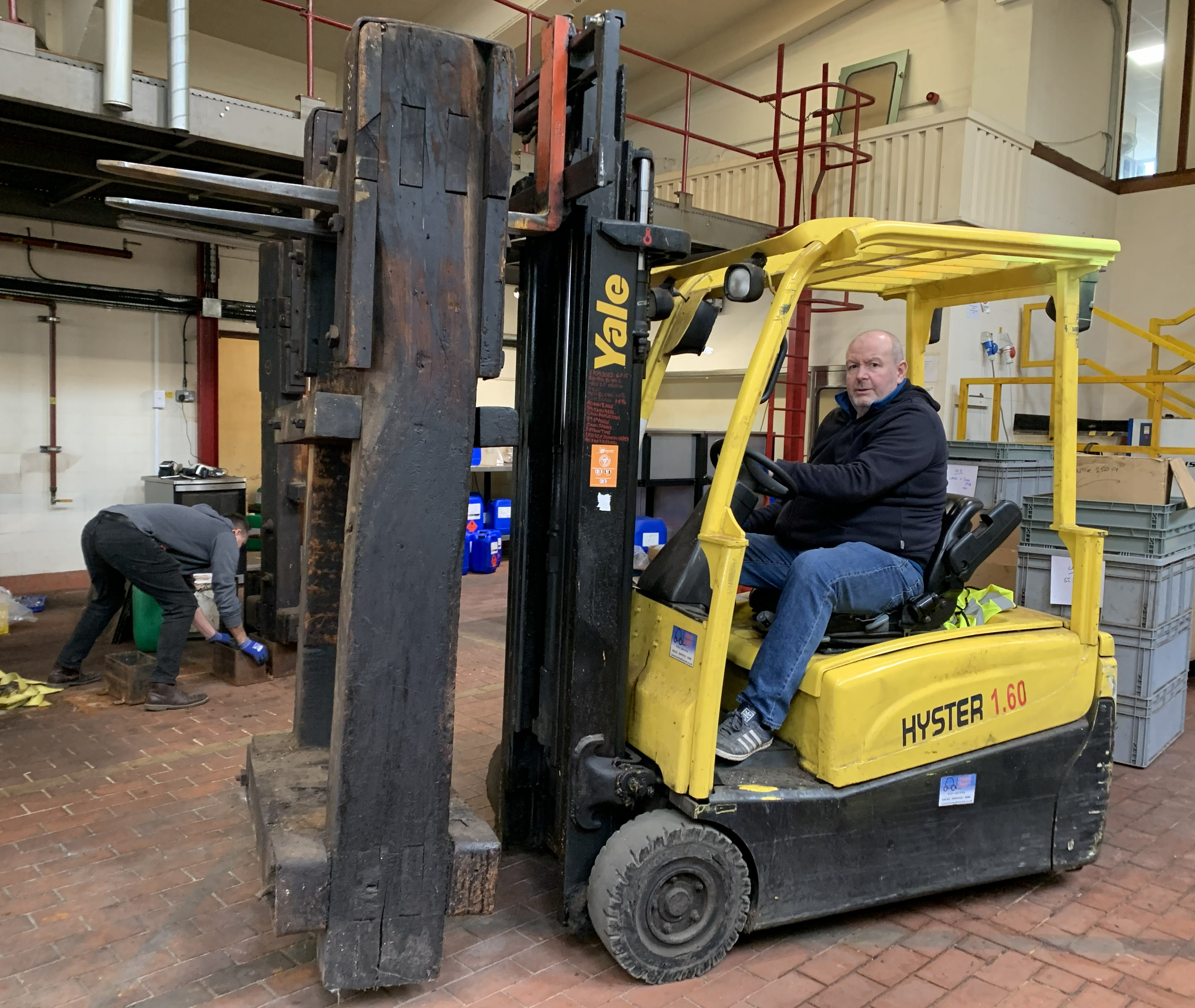
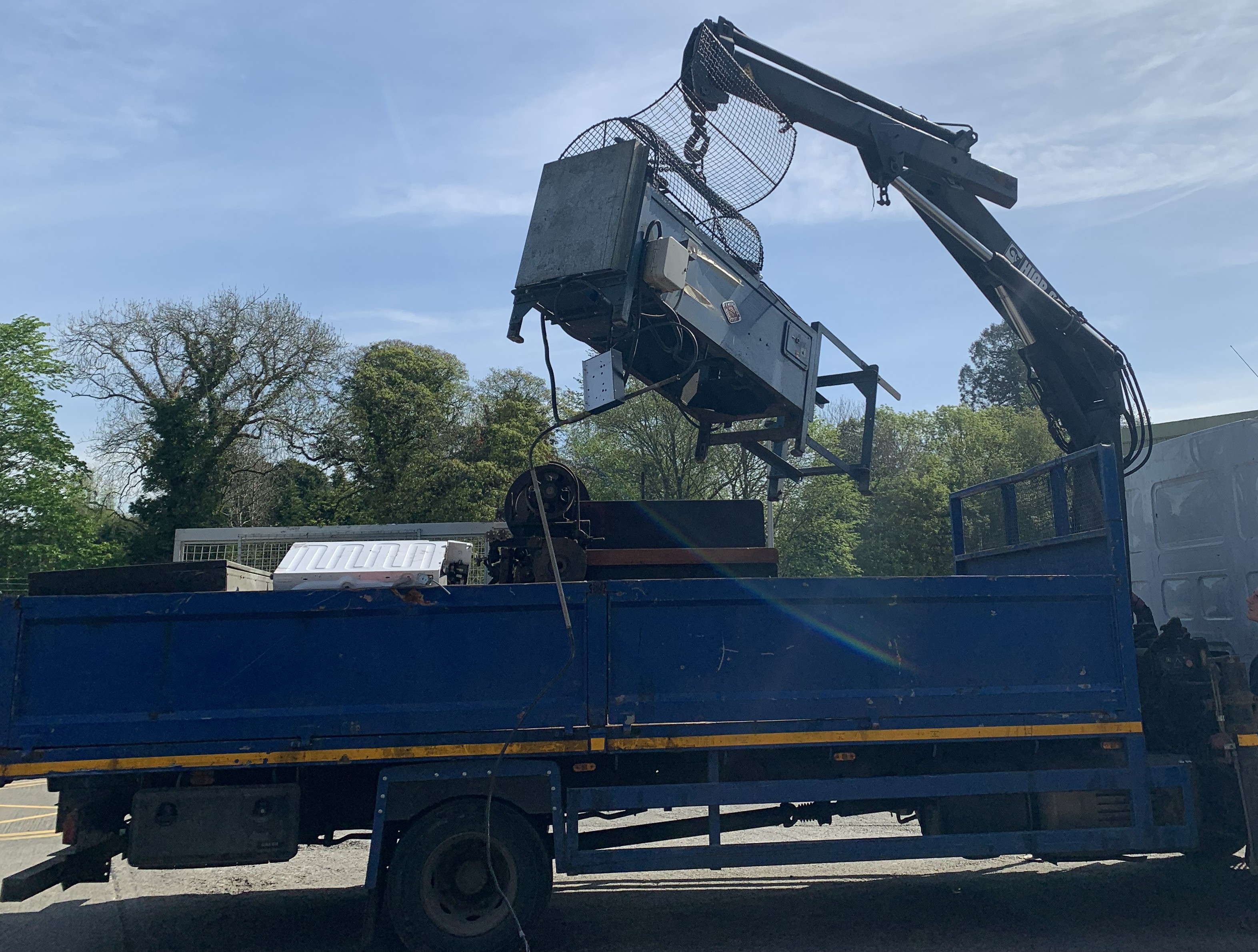
Staff helped clean and paint the new building. Each piece of machinery was scrubbed down prior to being moved. Anything that was no longer needed was sold or scrapped.
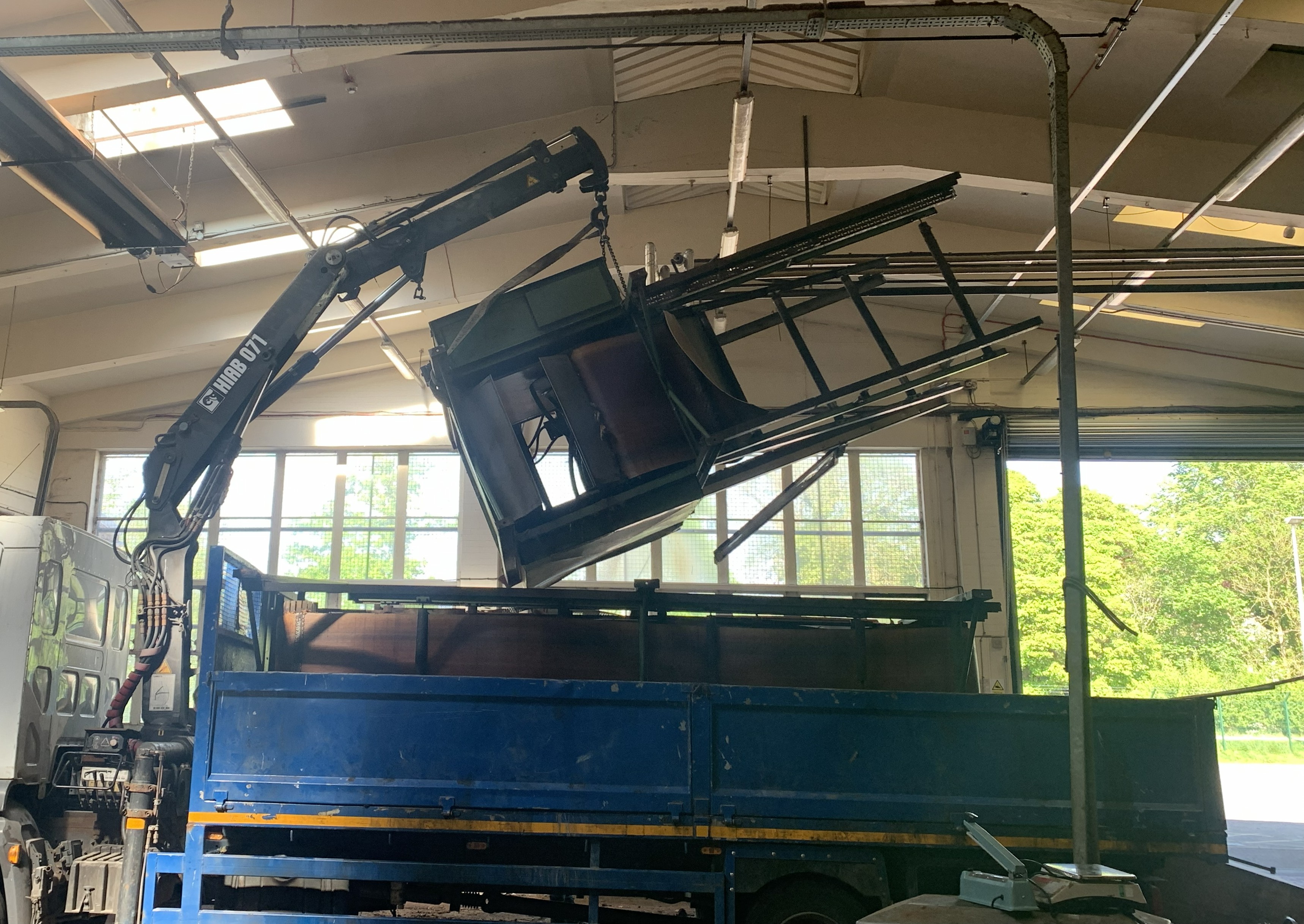
We managed to move all the UK stock to the new warehouse in just a week or so, meaning we only had to stop supply to UK retailers for a week.
We began the main move in January 2025 and by April we were pretty much out of the old factory and up and running, if even on a limited capacity while we waited for machines to be returned and fixed the never ending issues that came up day after day.
By June 2025 we had cleared out the old factory and handed the keys back. By autumn 2025 the last of the machinery had been returned and we were back up and running properly.
During the whole move, we managed to fulfill all export orders and only placed a hold on new orders for a few weeks. We were able to maintain distribution to the UK, concentrating on production and supply of key products.
The whole team really stepped up and ensured the move was as smooth as could be hoped for.
And now we enter a new era with exciting new plans ahead.