 Please verify your age
You must be over 18 years or older to view our website
Sorry you are not old enough to enter this site.
How Wars Alter the Illicit Tobacco Supply Chains & Who Benefits
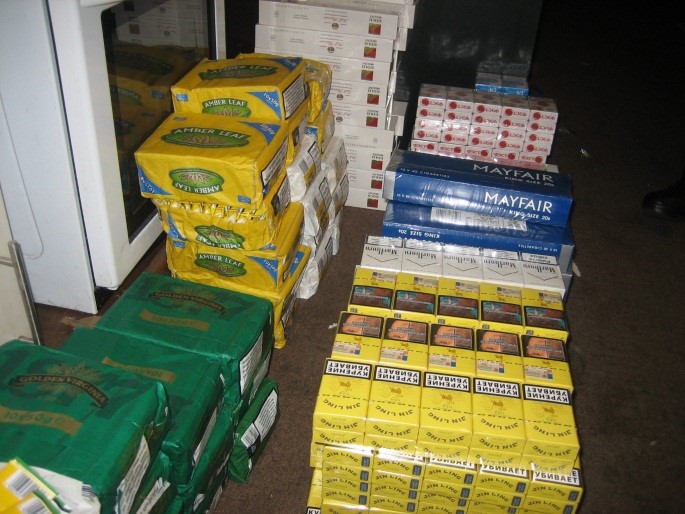
Globally, around one-third of tobacco products sold annually are estimated to be contraband and the illicit trade is increasingly used by criminal syndicates and rogue states to fund activities, shifting tobacco from a simple consumer product to a key geopolitical concern.
Criminal networks engaged in the illegal cigarette trade exhibit remarkable resilience as they adapt to the challenges posed by regional conflicts. Prior to Russia’s invasion of Ukraine, much of the smuggled cigarettes came from Belarus across land, while tobacco products from the United Arab Emirates, China, Turkey, and other countries were smuggled through Ukraine’s seaports to the European Union. However, following the full scale invasion by Russian, they swiftly altered smuggling routes, modified how they operated and collaborated with other criminal enterprises.
Historically, the main lucrative markets for illicit tobacco were those countries with high tobacco taxes such as the UK, France and Germany. The main suppliers of illicit cigarettes and tobacco were concentrated in Eastern European states like Belarus, Moldova and Ukraine, where there was large-scale tobacco production and low cigarette prices.
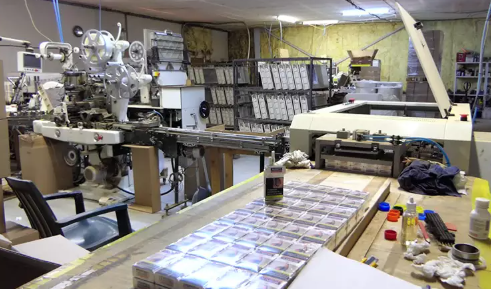
In 2019, a quarter of all illicit cigarettes consumed in mainland Europe originated in these post-Soviet states. However, following the Russian invasion of Ukraine, up to 60% of illicit tobacco consumed in the EU was produced domestically.
In 2023, 113 illegal cigarette factories were dismantled across 22 European countries and the estimated tax loss was €11.6 billion in the EU. Yet still little has been done to stem the flow of illicit tobacco into countries such as the UK.
While recorded smoking rates have steadily declined across the EU (based mostly on data supplied by large supermarket chains for example and the purchase of legal cigarettes), illicit tobacco consumption has paradoxically been on the rise.
The BBC reported in 2025 on the rampant and unchecked illicit tobacco and vape trade in the UK, with seizures from over 3,500 shops in a year and around £72 million in lost public revenue. Driven by organised gangs using forced labour and with links to drugs trade, the UK’s high streets have become dominated by pop up vape shops, mini-marts and car washes, often used as fronts for illegal tobacco supply and which generate massive cash profits, then laundered through the UK financial institutions.
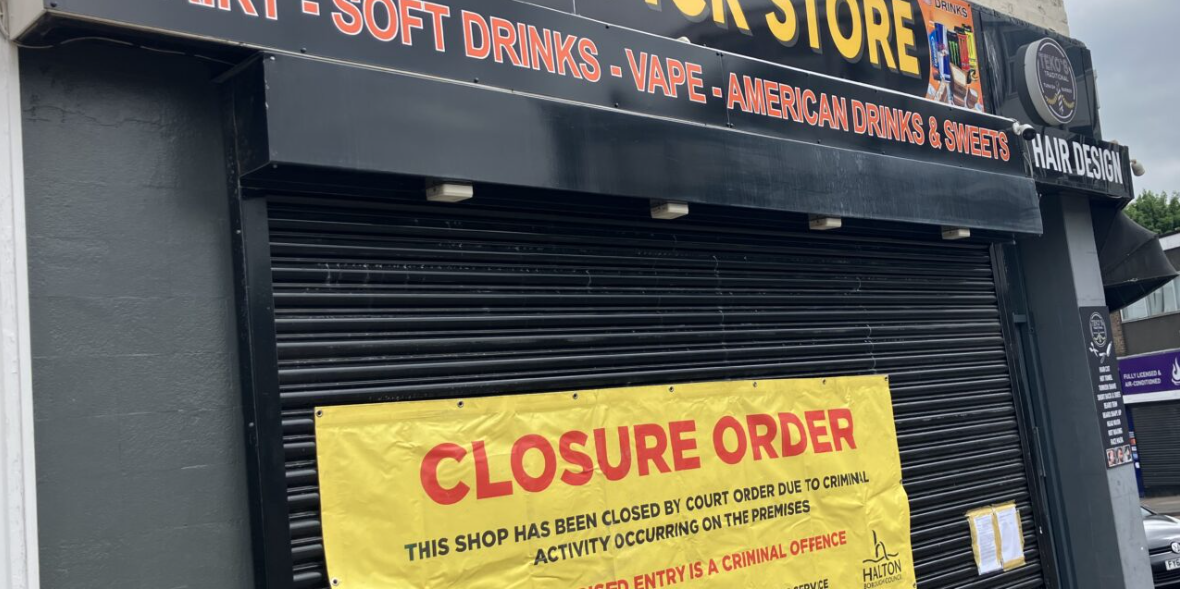
There is very limited enforcement powers by local authorities, under-resourced Trading Standards and inadequate legislation for permanent shop closures. This all allow gangs, to exploit the situation with proceeds funding wider crime activity like terrorism, illegal weapons and human trafficking.
The UK is losing the battle against the massive illicit tobacco trade. And increased duty each year on legitimate tobacco products, simply fuels the market further, pushing people towards buying cheaper counterfeit products.
And as the UK looks to impose further draconian smoking laws and implements the smoking ban, the situation is only like to get worse if Australia is looked at as a model. Ludicrously high tobacco taxes have fuelled the black market in tobacco there with violent conflicts between organised crime syndicates leading to fire bombings of tobacconists and convenience stores to control supply, extortion and murder. Currently around 2 to 5 billion is being lost in tax revenue.
Australia’s strategy of taxing and banning tobacco consumption out of existence is a complete failure - he real danger now is that the stores selling legitimate tobacco will give up and leave the industry to the crooks as is starting to happen due to attacks on staff and robberies or worse. At that point, Australia would have managed to hand over an entire industry to criminal gangsters.

As logistics and industrial activity is disrupted across the Persian Gulf, with the blockade of the Strait of Hormuz and attacks on infrastructure, there is a potential impact on the global cigarette and cigar supply chains. Over 20% of global tobacco exports come from seven Gulf countries - Qatar, the UAE, Oman, Bahrain, Saudi Arabia, Iran, and Kuwait. Countries such as Georgia, Kyrgyzstan, Singapore, Thailand, and several African markets rely on imports from the gulf.
And who will stand to gain the most from this disruption – Russia - who will have the opportunity to strengthen its export market in fertilisers, petrochemicals, and other commodities. And criminal gangs involved in the illicit tobacco trade.